 I
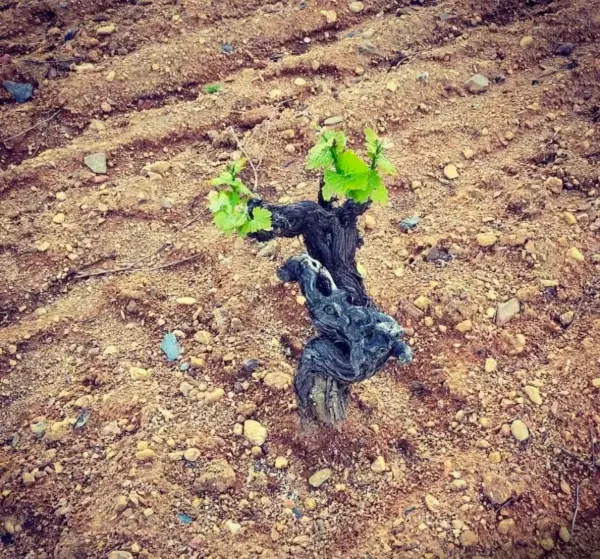
Vines from 1910
Six and a half hectares of old vines, at the top of Monte del Tejar (872m altitude), registered in the Zamora Viticulture Registry since 1910.
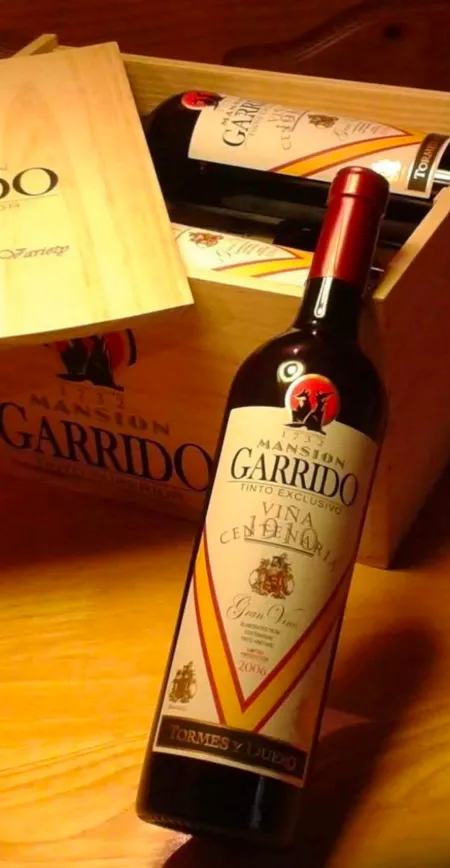
 Mansión Garrido
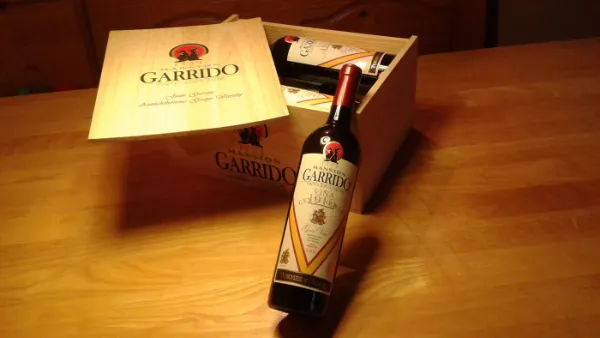
Tinto Superior · Viña Centenaria 1910

“An excellent wine is the nomenclature of nature's unique elixir, destined for those special moments—that singular space—that we will inevitably experience on our journey through life.”
Jorge Garrido
The wine
Elaborated from vines planted in 1910 and 1920 on the hill of Monte del Tejar, at the entrance to Fermoselle. The grape variety is Juan García, an autochthonous grape that grows on the terraces of the Duero canyon and nowhere else.
A pre-phylloxera variety and a natural descendant of the Burgundian grape, it survived the plague sheltered on those terraces. That sets it apart from 88% of Spain's wines, which are made from the different strains of Tempranillo within the red wine sector of Spain.
Deep, dark ruby hues. Balanced on entry, with no harshness, and a subtle, constant aroma that stays on the palate. Black cherry, strawberry and light notes of raisins and hazelnuts, embraced by young French and American (Missouri) oak. A wine to accompany and enhance fine food.
“Genuine wine elegance is founded upon the simplicity of our centenarian vineyard's 115-year longevity and its preserved purity.”
“Frivolous superficiality has never been part of the essence of a superior wine. It's the long-lasting perseverance, the passion, and the dedication to a fine wine.”
Jorge Garrido
The grape
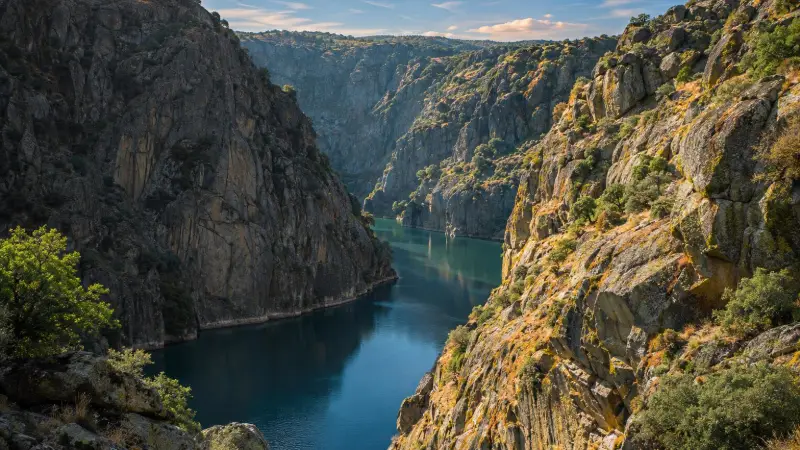
The Duero River flows for 163 kilometers through an immense canyon that forms the natural border between Spain and Portugal only here. The gargantuan green gorge channels the weather, creating a unique Iberian microclimate on its own, to naturally nourish and enrich a terruño (terroir) that, to our family, is the essence of a truly fine wine.
For the conocedor (connoisseur) who enjoys broadening the personal wine palate, an autochthonous, pre-phylloxera grape becomes a rarity of everlasting value.
I
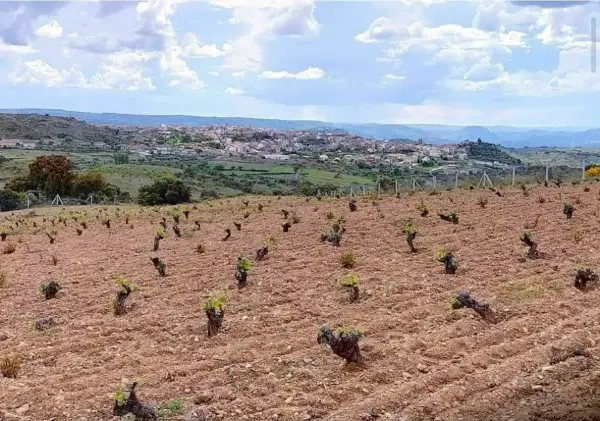
Six and a half hectares of old vines, at the top of Monte del Tejar (872m altitude), registered in the Zamora Viticulture Registry since 1910.
 II
Harvesting grapes at the exact moment of optimal ripeness is the single most critical factor in producing a superior wine must.
 III
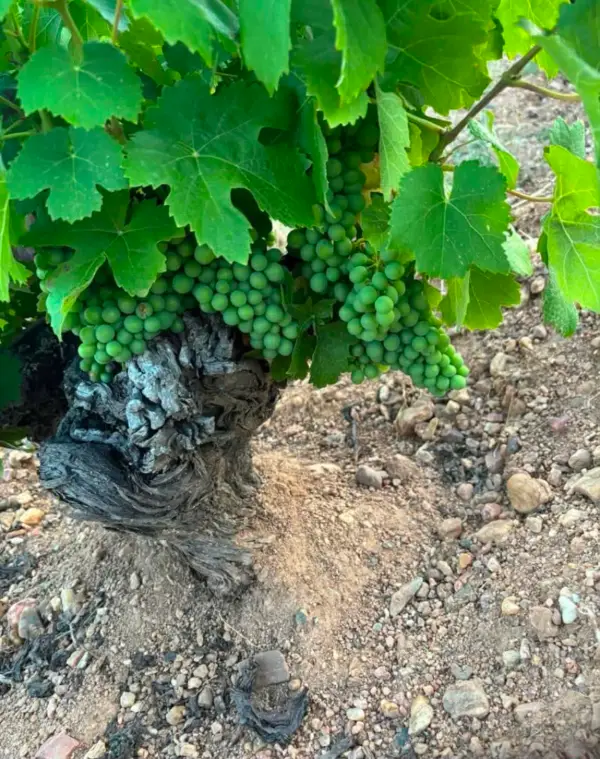
Because grape composition dictates the potential quality of the finished wine, to miss each year's ideal harvest window by even a few days can irreversibly alter the balance of sugars, acids, and flavor compounds.
The cellar
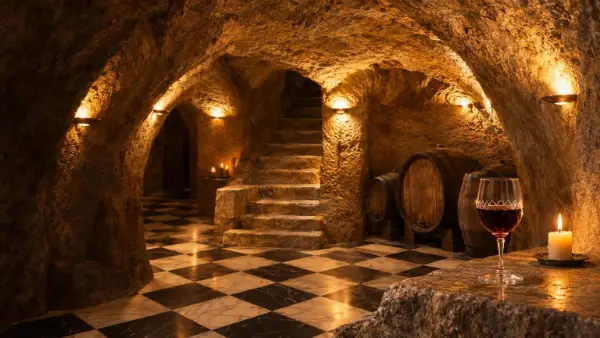
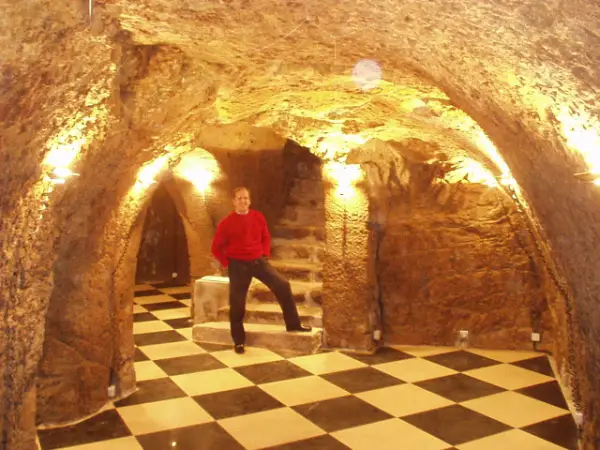
Beneath the Wine Master's Mansion, built of granite and pyrite more than 360 years ago, lies a cellar carved by hand into the bedrock more than 750 years ago. Jorge had the entire mansion taken down and rebuilt by hand, stone by stone, by artisan masons. Below the mansion is where this historical cellar is found, a unique and very rare, beautiful place where private tastings are held today.
The Wine Master's Mansion and the Mansión Garrido Estate Winery with centenarian vines (115 years old in 2025) are part of the Garrido family's daily life. Here, the winemaster lives the craft calmly and without pretension, caring for the wine until the time arrives, ready to share with those who will truly appreciate it.
“Grand wine composed by simplicity, the root of authentic class.”
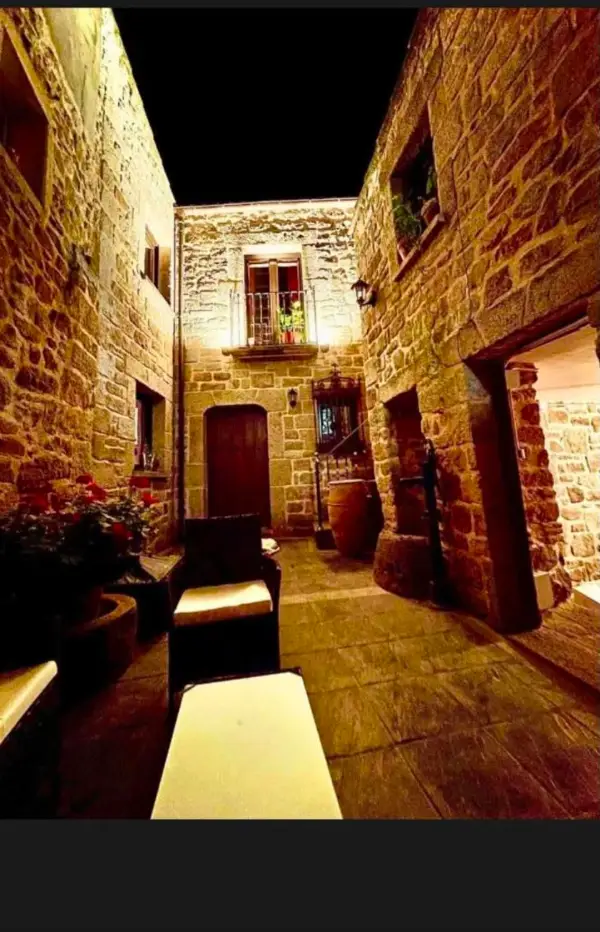
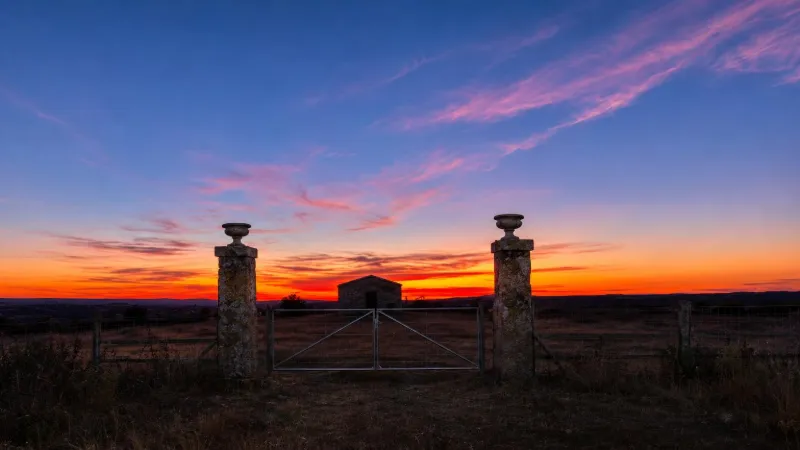
At the top of Monte del Tejar, the spot the villagers colloquially call “La Frontera”, the Garrido family built its new estate winery in the old-fashioned style, along the expanse of its terruño, replete with centenarian vineyards. The winery's roof is topped with very old barrel tiles, dating back centuries, salvaged from the Romanesque churches of Zamora (Zamora has the largest collection of Romanesque churches in the world). The bodega Mansión Garrido Estate Winery will also house the Mansión Garrido family museum and archive of this magical wine region of Spain, where, according to the Letters of Toledo of 1491, Fermoselle once controlled the vineyard estates of Spanish wine. The first bodega in La Rioja was founded in 1860. In contrast, three centuries prior, the Garrido family already had their bodega elaborating wine in 1540 in Fermoselle. The bodega still stands there today. Fermoselle has over 1,000 wine bodegas underneath the surface of this historic medieval village. The town's church dates to the 11th century.
“The new bodega looks as if it had always been there.”
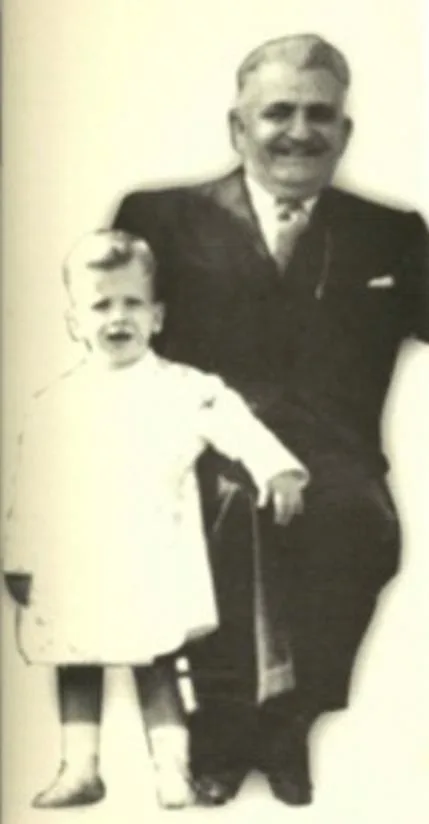
“This is the one I'm going to take to Fermoselle.”
Don Ángel Garrido Fermoselle, at Sunday lunches in Havana
Don Ángel left Fermoselle for Cuba more than a century ago and never stopped talking, thinking and reminiscing about his village. On Sundays, after lunch, he would sit his grandson and godson Jorge on his lap and announce it in front of the whole family.
Jorge had to leave Cuba at age eight. Later, he immigrated through Miami, Santo Domingo, New York and Puerto Rico. In the year 2000, over a quarter of a century ago, Jorge acquired in Fermoselle a granite stone mansion, built 360 years ago, which had been closed for forty years, and also acquired a 6.5-hectare vineyard planted 115 years ago, returning to his ancestral family's homeland, returning to the family's beginnings in the labor of viticulture.
First records of the Garridos in Fermoselle, in the books of the Diocese of Zamora. Wine growers.
Agustín Garrido. Julián Garrido. Antonio Garrido. Wine growers.
The first new vines are planted, registered in the Zamora Viticulture Registry.
Jorge Garrido is born, Ángel's grandson and godson.
Jorge returns to his grandfather's village, buys the Mansion and acquires the 115-year-old vineyards.
The new winery in Monte del Tejar, which the family endearingly calls “The Cathedral of Wine of the Arribes”.
Today
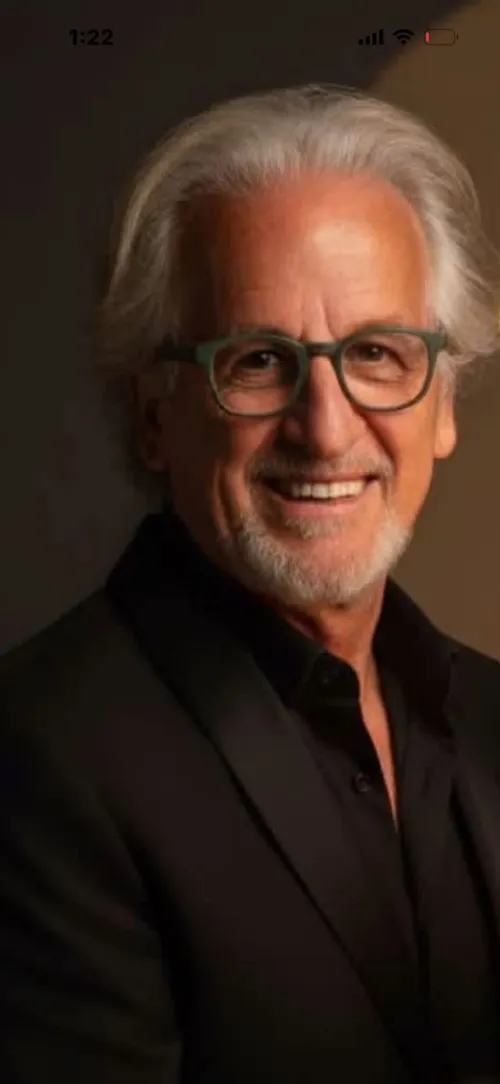
Jorge Garrido graduated from the University of Miami in 1974 and built his career in the Dominican Republic, New York and Puerto Rico. A Cuban American citizen, he returned to his Garrido family's homeland to reclaim the Garrido family tradition and has lived in Fermoselle for more than a quarter of a century, where he has gained extensive first-hand experience and professional knowledge of agricultural viticulture.
Jorge Garrido played a key leadership role for Joseph E. Seagram & Sons, in the United States, specifically spearheading the national marketing strategy and expansion of Seagram's spirits and wine portfolio into the U.S. multicultural and Hispanic markets. Joseph E. Seagram's Distillers Management recruited Garrido to lead the Seagram's account. He was a primary driving force behind restructuring and introducing Seagram's entire line of distilled spirits and wines into the growing U.S. Hispanic market.
Jorge became a Multicultural Advertising Pioneer Executive. Before and alongside his work with major corporate brands, Garrido built a 15-year career in U.S. Fortune 500 marketing, serving as a Vice President and Group Management Director on major accounts like Schering-Plough. In 1984, he co-founded the multicultural advertising agency Mingo-Jones-Garrido, an advertising firm that, on a combined basis, billed over $100 million at its peak, and appears today featured at the National Museum of American History and the Smithsonian Museum.
Leveraging Jorge Garrido's extensive background in the wine and distilled spirits sector, Garrido later returned to his family's ancestral roots in Fermoselle, Spain, where for the last quarter century he has served as President and CEO of Bodega Mansión Garrido Estate Winery.
In addition to Mansión Garrido Estate Winery, his wife runs a five-star boutique hotel, as rated by the Castile and León Ministry of Tourism and Heritage. For him, the bodega Mansión Garrido Estate Winery is a dream that began as a child, when his grandfather would pronounce the proverbial phrase that became true: “This is the one I'm going to take to Fermoselle.” Life took care of the rest.
“I became an emigrant of the land, since leaving Cuba at age eight, and a pilgrim of life.”Jorge Garrido
The Garrido family's commitment
For the Garridos, continuing to cultivate the vine is a priceless blessing and a way of honoring their love for their own wine. Their commitment is to bring quality and elegance to the table and to good times, on the heritage of the generations that came before.
“Family is always present.”
To life!
“We, the Garrido family, dedicate ourselves to those unforgettable, loving members of our family who have passed on, yet whose irreplaceable memory serves as our indelible inspiration and the irreproachable test of our unconditional, everlasting love as a family.”
The land
The world knows Bordeaux, Tuscany and Napa Valley. Fermoselle is still a secret waiting to be discovered.
A medieval village with more than 1,500 years of history, narrow cobbled streets and granite houses, declared a Historic, Artistic, Cultural and Architectural Site of Castile and León. Beneath its streets lie more than a thousand hand-carved cellars. At its feet, the Duero opens a canyon with walls up to 450 meters high that forms the border with Portugal and creates the microclimate that Juan García lives on.
According to the Letters of Toledo of 1491, Fermoselle controlled the vineyard estates of Spanish wine.
hand-carved cellars beneath the village
the height of the canyon walls
of Duero canyon between Spain and Portugal
years of the village's history
The old Jewish quarters are part of the village's history. Recently, the mayor and the villagers symbolically handed their keys to the President of the Talmud of Fermoselle.
Water fountains from the Romanesque era that still work, among other historic treasures the village has preserved.
Fermoselle is the birthplace of Juan de Fermoselle, known to the world as Juan del Encina, the father of Spanish theater.
The Arribes del Duero are the largest natural park in Castile and León and a Biosphere Reserve. The family's vines sit atop the hills at the entrance to the village.
“A jewel for those who enjoy being in the know, without ostentation, amid tranquility and serenity.”
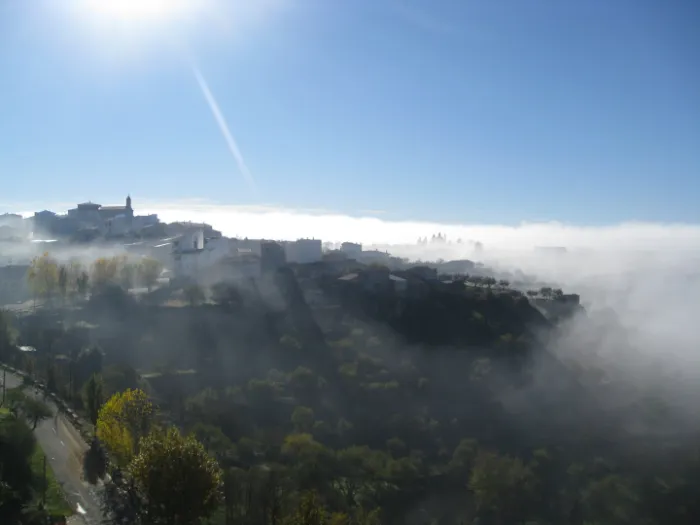
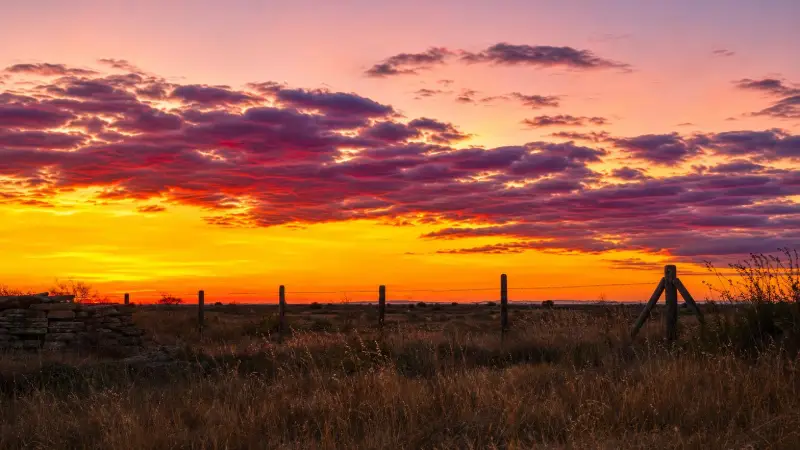
“There are hidden places and surroundings that, through their atmosphere and legendary beauty, not only evoke more than meets the eye, but move the inner spirit.”
Jorge Garrido
Visits & tastings
A guided tour of the Mansion and a tasting in the underground cellar, always by appointment. Write to us, tell us when you'd like to come and how many of you there will be, and we'll suggest a date.
“Put life into life. Cheers!”